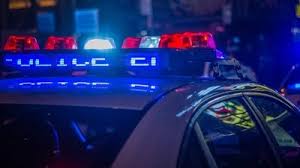
The Aurora theater shooting remains one of the deadliest mass shootings in modern United States history. The attack, which unfolded during a midnight screening of The Dark Knight Rises on July 20, 2012, claimed the lives of 12 people and injured 70 others at the Century 16 movie theater in Aurora, Colorado.
More than a decade later, the tragedy continues to be remembered through annual memorials, survivor advocacy, and ongoing efforts to improve emergency preparedness and victim support across the country.
What Happened on July 20, 2012?
The shooting occurred shortly after midnight as moviegoers gathered for the premiere of The Dark Knight Rises at the Century 16 theater in Aurora.
During the screening, a gunman entered the crowded auditorium and opened fire, creating panic as hundreds of people attempted to escape. First responders, including law enforcement officers, firefighters, and emergency medical personnel, arrived within minutes to secure the scene, assist victims, and transport the injured to nearby hospitals.
The attack resulted in 12 fatalities and 70 people injured, making it one of the most devastating mass casualty incidents in the nation’s recent history.
Investigation and Criminal Case
Authorities launched an extensive investigation immediately after the shooting.
The investigation included:
- Processing the crime scene and collecting forensic evidence.
- Interviewing survivors, witnesses, and first responders.
- Reviewing physical and digital evidence.
- Determining the circumstances surrounding the attack.
- Preparing criminal charges against the suspect.
The suspect was taken into custody shortly after the shooting without further violence.
Following a lengthy criminal trial, he was convicted on multiple counts of murder and attempted murder. He was ultimately sentenced to life in prison without the possibility of parole, bringing the criminal proceedings to a close.
A Tragedy That Changed Public Safety
The Aurora theater shooting prompted widespread reflection on emergency planning and public safety at entertainment venues throughout the United States.
In the years that followed, the tragedy contributed to:
- Expanded emergency response planning for theaters and other public gathering places.
- Greater emphasis on coordinated active-shooter response training.
- Increased support services for victims and survivors of mass violence.
- Community memorial initiatives honoring those who lost their lives.
- Continued advocacy by survivors and victims’ families focused on healing and public awareness.
The incident remains an important case study in emergency management, crisis response, and long-term community recovery.
Honoring the Victims
Each year, survivors, family members, first responders, and community leaders gather to remember the twelve people whose lives were lost and to recognize everyone injured during the attack.
Memorial ceremonies provide an opportunity to honor the victims, support survivors, and reaffirm the community’s commitment to remembrance, resilience, and healing.
Lasting Legacy
Although the criminal case concluded years ago, the Aurora theater shooting continues to influence conversations about emergency preparedness, victim assistance, and community resilience.
Educational initiatives, remembrance events, and survivor-led advocacy continue to preserve the memory of those affected while encouraging ongoing efforts to strengthen emergency response capabilities and provide long-term support for victims of mass violence.
More than a decade after the tragedy, the Aurora theater shooting remains a defining moment in American history—one remembered not only for the lives that were lost, but also for the resilience demonstrated by survivors, first responders, and the broader Aurora community.